Wear Plate – Abrasion Resistant Steel Supplier
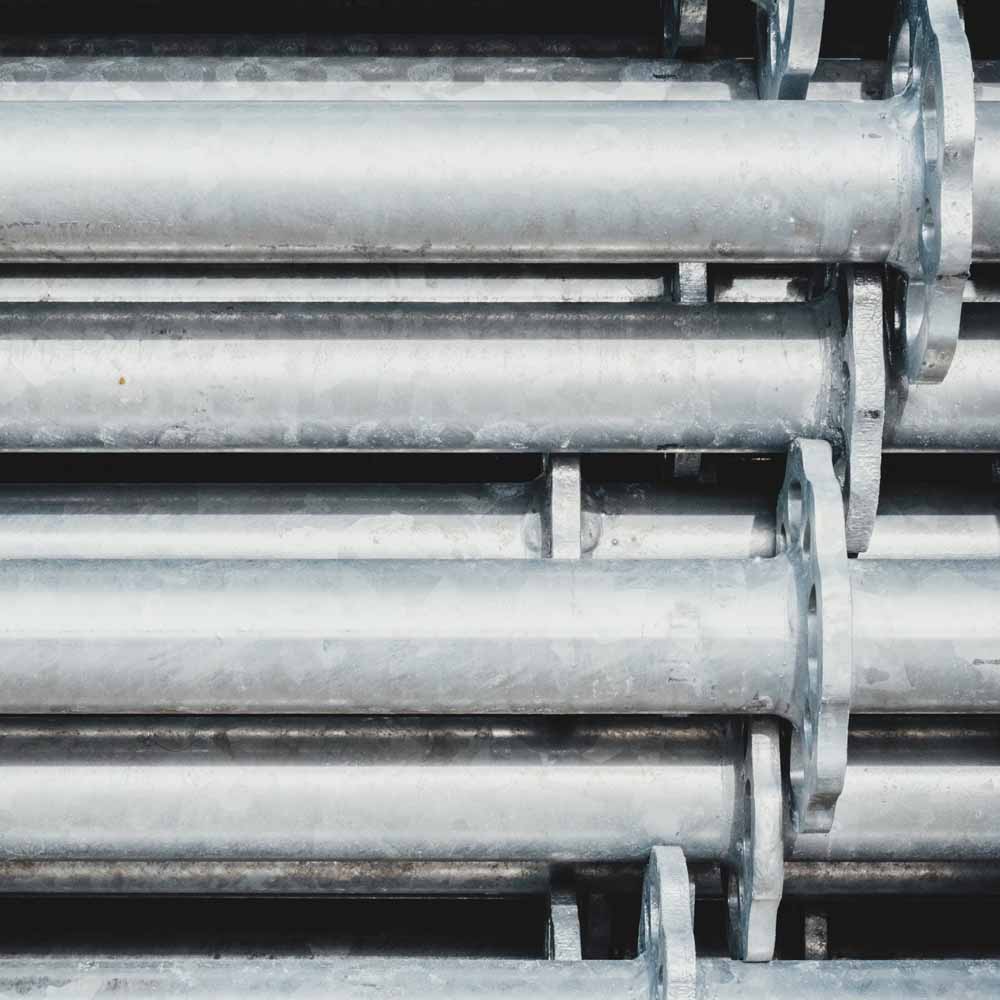
Wear plate, or abrasion resistant steel, often referred to simply as wear plate steel, is a specialised type of steel designed to withstand extreme wear and abrasion while maintaining structural integrity. This remarkable material plays a pivotal role in various industries, from mining and construction to manufacturing and agriculture, where equipment and machinery are subjected to harsh environments and abrasive materials. Here are some key insights into wear plate abrasion-resistant steel:
- Composition: Wear plate steel is typically made from low-alloy steel with added elements like chromium, nickel, and manganese. With options like wear plate 400, these alloying elements enhance the material’s hardness, toughness, and resistance to wear.
- Exceptional Wear Resistance: The primary purpose of wear plate steel is to resist abrasive wear caused by the constant friction and impact of materials such as rocks, minerals, sand, and other abrasive substances. This results in significantly extended equipment lifespan and reduced maintenance costs.
- Versatility: Wear plate steel can be shaped and cut to fit various applications, including buckets, chutes, crushers, and conveyor systems. It can be adapted to suit the specific requirements of different industries and machinery.
- Increased Productivity: By using wear plate abrasion-resistant steel, industries can achieve higher productivity levels with less downtime for maintenance and repairs. Equipment can operate longer without suffering from wear-related failures.
- Safety Benefits: In addition to its durability, wear plate steel enhances safety by minimising the risk of equipment failure, which can lead to accidents and injuries in the workplace.
- Cost Savings: While wear plate steel may have a higher initial cost compared to standard steel, it pays off in the long run due to reduced maintenance, replacement, and repair expenses. This makes it a cost-effective choice for industries where abrasive wear is a constant challenge.
- Customisation: Wear plate steel can be tailored to specific wear patterns and thickness requirements, ensuring optimal performance in diverse applications.
- Environmental Sustainability: The extended lifespan of machinery and reduced need for frequent replacements contribute to a more sustainable and eco-friendly approach to industrial operations.
In conclusion, wear plate abrasion-resistant steel is an indispensable material that empowers various industries to combat the detrimental effects of abrasive wear, leading to increased productivity, safety, and cost savings. Its unique combination of hardness, toughness, and versatility makes it an essential component in the arsenal of materials used to build durable and reliable equipment in demanding environments. For help and assistance from the UK’s leading Steel Plate Supplier please get in touch.
Our Wear Plate – Abrasion Resistant Steel Supplier Products
500HB Steel
450HB Steel
Frequently Asked Questions
Can I use a standard drill on 400HB or 500HB wear plate?
Standard high-speed steel drill bits will struggle and likely blunt almost instantly against these plates due to their elevated hardness. You will typically need specialised carbide tipped drills and a very sturdy, slow speed drill press to get through it without damaging your tools.
Does a wear plate require special considerations for welding?
Yes. Due to its hardness, abrasion resistant plate may require controlled welding procedures, including appropriate preheating and consumables. Following correct fabrication guidance, helps maintain performance and reduce the risk of cracking.
How do I choose between 400HB and 500HB wear plate?
The selection depends on the balance required between abrasion resistance and fabrication requirements. 400HB is often selected where a combination of wear life and formability is needed. 500HB provides increased resistance in high sliding abrasion environments but may require greater consideration during fabrication. We can review your operating conditions to help determine a suitable option.
Can I bend a wear plate in a press brake to create a curved liner?
Forming abrasion resistant plate depends on the selected hardness grade and the required bend radius. 400HB grades can generally be cold formed, provided appropriate tooling and a sufficiently large internal bend radius are used to reduce the risk of surface cracking.
Higher hardness grades, such as 500HB, are significantly more resistant to deformation and may present challenges during bending. In many cases, these grades are better suited to flat panel applications unless specialist-forming procedures are applied.
If bending is required, we recommend confirming the minimum bend radius and fabrication approach at the specification stage to ensure suitability.