Offshore Steel Supplier
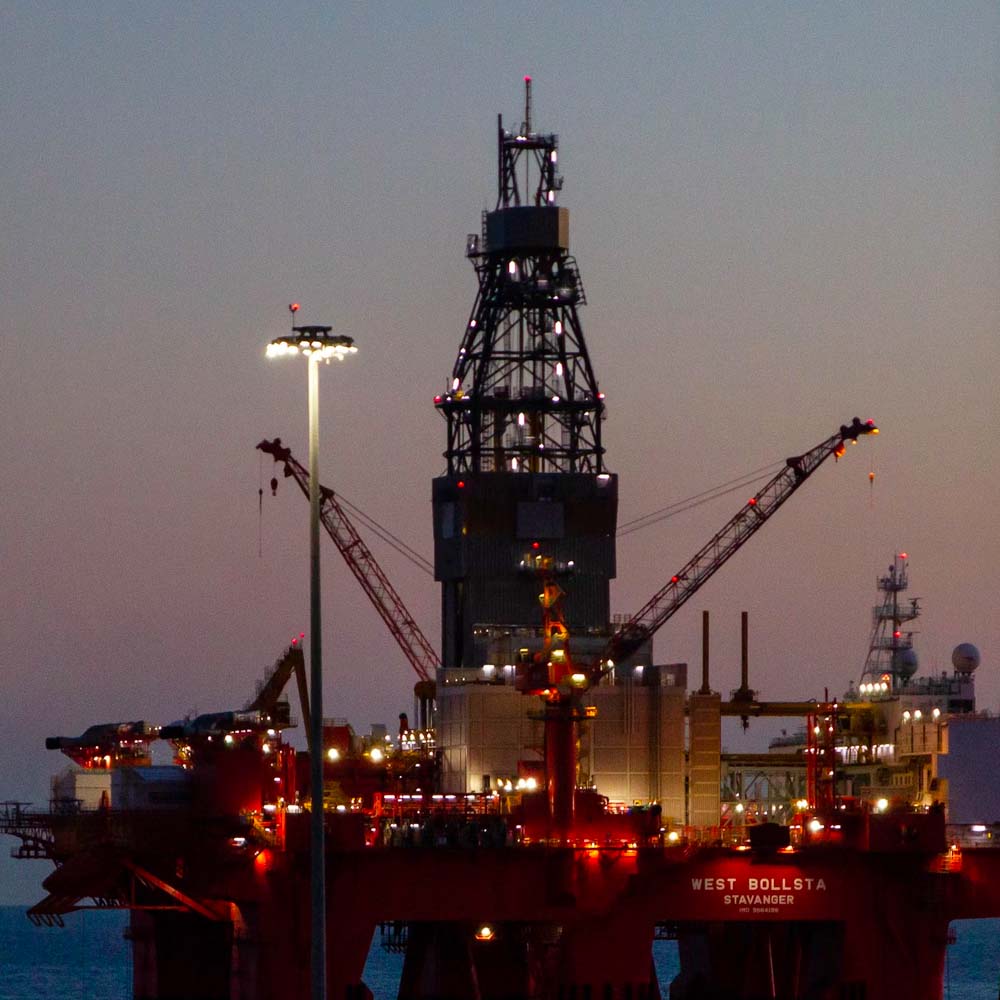
Offshore steel, also known as marine-grade steel or shipbuilding steel, is a specialized type of steel designed to withstand the harsh conditions of the marine environment. It plays a pivotal role in the construction of ships, offshore structures, and oil and gas platforms, where durability and corrosion resistance are paramount. Here, we delve into the key characteristics and applications of offshore steel.
One of the most critical properties of offshore steel is its resistance to corrosion. Due to prolonged exposure to saltwater, humidity, and aggressive weather conditions, regular steel would quickly deteriorate. Offshore steel is formulated with specific alloying elements, such as chromium, nickel, and copper, which create a protective oxide layer that prevents rust and corrosion. This corrosion resistance extends the lifespan of marine structures, reducing maintenance costs and ensuring safety at sea.
In addition to corrosion resistance, offshore steel must possess high tensile strength and toughness. These properties enable shipbuilders and offshore engineers to construct sturdy and reliable structures capable of withstanding the extreme forces of waves, winds, and even collisions. Steel grades like AH36 and DH36 are commonly used for shipbuilding due to their excellent combination of strength and toughness.
Our Offshore Steel Supplier Products
S355NLO Steel
S355G9 Steel
S355G8 Steel
S355G10 ML/NL Steel
Weldability is another crucial aspect of offshore steel. As marine structures involve intricate welding processes, the steel must maintain its structural integrity after being subjected to high-temperature welding. Specialized offshore steel grades are developed to meet these requirements, ensuring that welds remain strong and durable.
Offshore steel finds applications in various marine and offshore projects, including cargo vessels, oil tankers, drilling platforms, and offshore wind turbines. Its versatility, durability, and resistance to harsh marine environments make it an indispensable material for the industry.
In conclusion, offshore steel is a specialized material engineered to withstand the demanding conditions of the marine environment. Its unique combination of corrosion resistance, strength, toughness, and weldability makes it a vital component in the construction of ships and offshore structures, ensuring safety, reliability, and longevity in the most challenging maritime settings.
Frequently Asked Questions
Why can’t I just use standard construction steel for a boat or a jetty?
Standard steel does not have the “hidden” ingredients, like extra nickel or chromium, needed to fight off the constant attack of saltwater. Using regular steel in an offshore environment is a recipe for rapid rust and expensive repairs within just a few years.
Does offshore steel require special welding compared to normal steel?
Because offshore structures have to survive massive waves and storms, the steel is designed to stay incredibly strong even after it has been heated and welded. It is much more “forgiving” for fabricators, ensuring the joints do not become brittle or snap under the pressure of the ocean.
Is offshore grade steel only used for ships?
Not at all. While it is the “gold standard” for shipbuilding, it is also the go to choice for coastal bridges, offshore wind turbines, and even seaside railings. If your project is within a few miles of the coast, this steel provides the durability you need.
How does “toughness” differ from “strength” in offshore projects?
Think of strength as how much weight the steel can hold, while toughness is its ability to take a literal hit. Offshore steel is designed to be “tough” so that if a supply boat bumps into a platform or a massive wave hits it, the steel dents or flexes rather than shattering like glass.
Can you help me choose between different grades if I am not an expert?
Absolutely. We act as consultants to help you pick a grade that is right for your project, ensuring you are not overpaying for specs you do not actually need for your job/project.