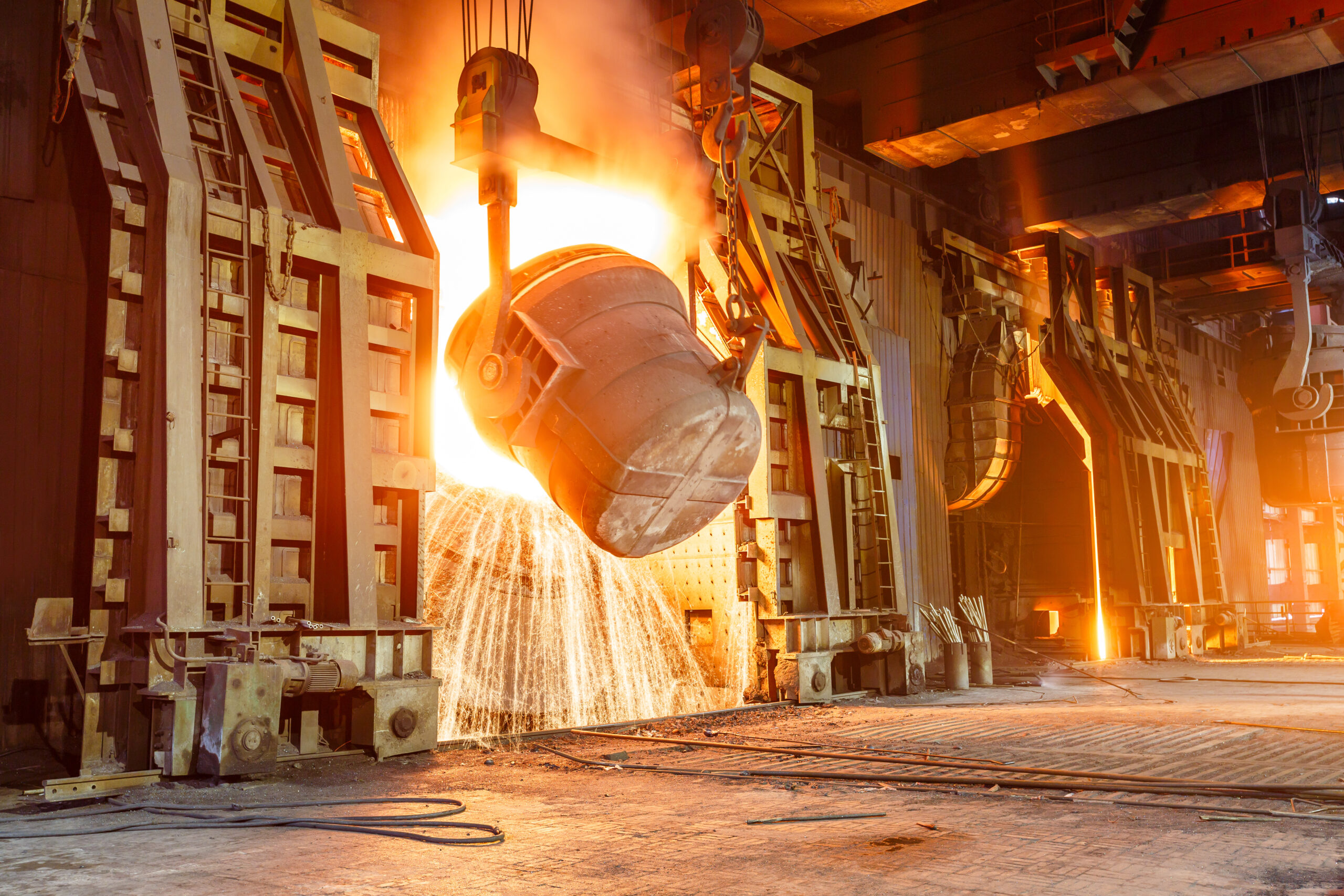
Steel stands as an indispensable material across various industries, prized for its robustness, endurance, and adaptability. Although traditionally composed of iron and carbon, contemporary steel alloys are considerably more intricate. The amalgamation of carbon, iron, and assorted elements dictates steel’s traits and performance, meaning that there are many steel material types.
Now, let’s explore the diverse spectrum of steel material types, defined by their composition, treatment methods, and intended utility.
The Different Types of Steel
Carbon Steel:
Predominantly constituted of iron and carbon, carbon steel varies in carbon content from 0.04% to 2.1%, thereby influencing its hardness and resilience. Low carbon variants offer ductility and ease of welding, contrasting with high carbon counterparts renowned for their robustness.
Alloy Steel:
Include added elements like manganese, nickel, chromium, and vanadium, alloy steel amplifies specific properties such as strength, corrosion resistance, and thermal endurance. Its multi-functional qualities span construction, pipelines, and automotive sectors.
Stainless Steel:
Celebrated for its resistance to corrosion, stainless steel integrates chromium and often nickel. Austenitic, ferritic, and martensitic stainless steels reign as the most prevalent types, finding uses in kitchenware, cutlery, and industrial equipment.
Tool Steel:
Precision-crafted for tool-making, this steel variant boasts exceptional hardness, wear resistance, and thermal stability. Incorporating elements like tungsten, molybdenum, and vanadium fortifies its endurance, ideal for drills, cutting implements, and moulds.
In addition to the more typical types previously mentioned, other noteworthy steel types include:
High-Speed Steel:
Renowned for retaining hardness under high temperatures, high-speed steel is indispensable in machining applications, where enduring cutting edges are paramount.
Weathering Steel:
Fortified with alloys like copper, nickel, and chromium, weathering steel develops a protective patina over time, rendering it ideal for outdoor structures without the need for frequent painting.
Galvanised Steel:
Shielded by a zinc coating for heightened corrosion resistance, galvanised steel finds extensive usage in construction, automotive, and household appliance domains.
Assessing the various qualities and benefits of these differing steel variants is a pivotal part of any engineer or manufacturer’s decision-making process, ensuring optimal performance and durability tailored to their needs.
For enquiries regarding steel procurement or to explore our steel services further, feel free to reach out through our contact form. Alternatively, you can call us on 01706848811 or email sales@pdnorthern.co.uk.
Frequently Asked Questions
Choosing the right material is a balance of performance and cost-efficiency. Our technical team helps you navigate the trade offs, whether that’s the weldability of low-carbon steel for rapid fabrication or the extreme durability of alloy steel for high-stress environments, ensuring you never overpay for specs you don’t need while never compromising on safety.
Yes, and it’s a brilliant investment. By using our weathering steel, you eliminate the long term costs of painting and maintenance. The protective patina it develops over time provides a “set-and-forget” solution for outdoor structures, combining a modern aesthetic with rugged, permanent protection against the elements.
Different applications place different demands on steel, such as load, wear, temperature, or environmental exposure. Using a single steel type across all uses would either compromise performance or increase costs unnecessarily.
Environmental factors like moisture, temperature variation, and chemical exposure influence corrosion risk and long-term performance. Choosing the wrong steel for the environment can shorten service life, even if the material is structurally sound.
Yes. Selecting a steel that matches the operating conditions can reduce maintenance, inspection frequency, and replacement costs over the life of a structure or component.
We ensure consistency across repeat steel orders by applying the same sourcing standards and specification controls used on previous deliveries. This gives our customers confidence that the material supplied over time remains aligned with their project requirements.